Behind every student who steps onto a tournament stage at Chaturangveda is months of careful, structured preparation. Tournaments are not just competitions — they are growth accelerators. The pressure, the unfamiliar opponents, the clock — all of it forces a player to find resources they didn't know they had.
Phase 1: Technical Foundation
No amount of psychological preparation can compensate for gaps in technical knowledge. In the first phase, we focus on ensuring the student has a solid opening repertoire — typically two or three reliable systems as White and reliable responses as Black. We don't try to build a complete repertoire; we build a trustworthy one.
Alongside openings, we run intensive tactical puzzles — forks, pins, skewers, discovered attacks, back-rank mates. The goal is pattern recognition: the student should spot a winning tactic in under five seconds when it appears in a game. This comes only from repetition.
Phase 2: Game Analysis
We play through grandmaster games — not to memorise moves, but to absorb strategic ideas. How do top players handle isolated pawns? When do they sacrifice material for positional compensation? What does a dominant knight on d5 actually feel like to play against?
We also analyse the student's own games extensively. Every blunder is a lesson. Every missed tactic is an opportunity.
Phase 3: Simulated Competition
In the final phase, we run timed games against opponents of varied styles. A student preparing for a tournament should be comfortable playing against attacking players, positional players, and defensive players — each requires a different approach.
We also practise clock management specifically. Time trouble is the single most common cause of unnecessary defeats at the youth level.
The Mental Side
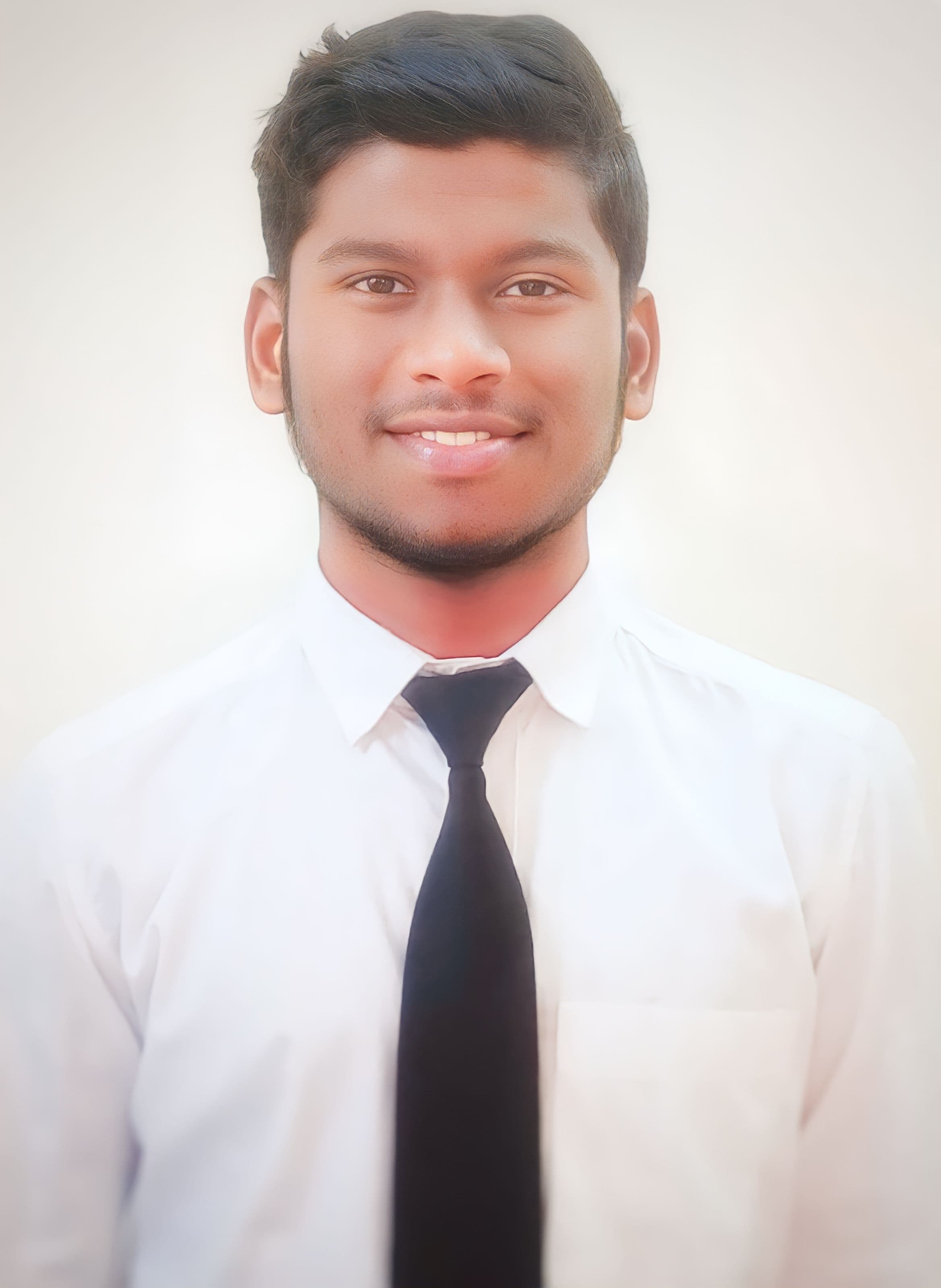
Coach Manoj works with every tournament-bound student on what he calls "the pre-game ritual": a sequence of simple mental steps taken before each game to get into the right state. Deep breathing, a brief review of key tactical themes, a reminder of the opening plan, and a resolution to focus on the process — not the result.